onetwotree

How Tree Placement Near Your House Impacts Safety and Property Value

How Tree Placement Near Your House Impacts Safety and Property Value

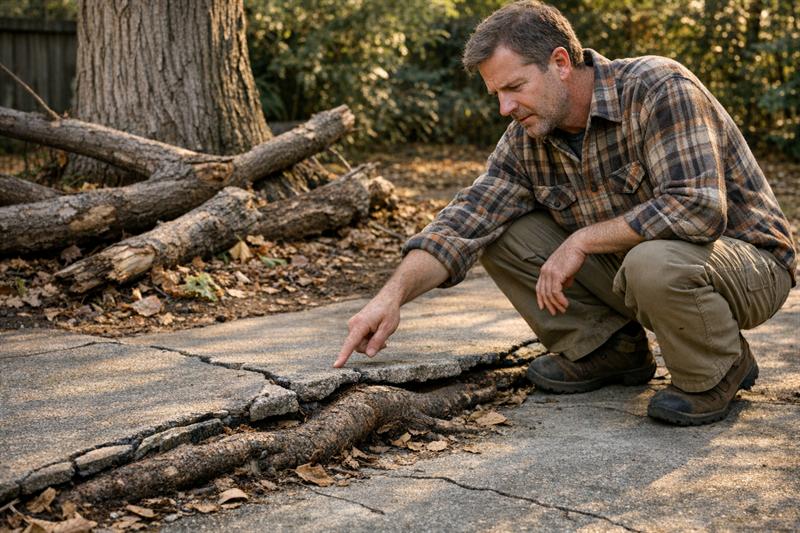
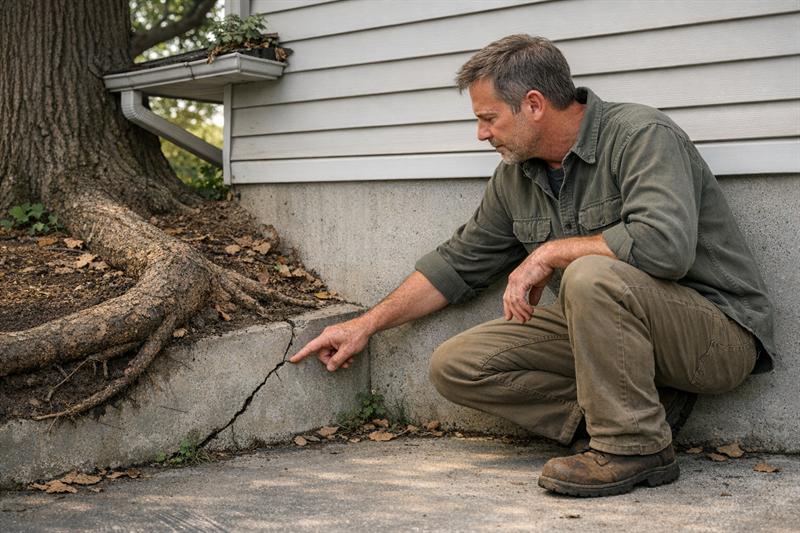
A tree can look perfectly fine for years, then start causing problems as it grows into your space. What matters most is not how it looks today, but how big it gets and how close it ends up to your home.

We see this all the time around Marietta and Atlanta. Roots push toward foundations and driveways, and limbs stretch over the roof. It does not happen overnight, but once it starts, it usually keeps going. At that point, you are either trimming more often or dealing with a bigger correction later.

A simple way to stay ahead of it is spacing. Small trees need about 10 to 15 feet. Medium trees 15 to 25. Large trees 25 feet or more. And keep in mind, roots often extend beyond what you see above ground.

If a tree is already close, the next step is figuring out whether pruning will control it or if removal makes more sense.

Read the full breakdown to see what to look for and what to do next.

How Tree Placement Near Your House Impacts Safety and Property Value Read More »

Best Low Maintenance Trees for Atlanta Yards (That Won’t Become a Problem Later)

Best Low Maintenance Trees for Atlanta Yards (That Won’t Become a Problem Later)

Most “low maintenance” tree problems in Atlanta come down to one thing. The tree didn’t match the space. It looked fine at planting, then outgrew the yard, pushed into structures, or needed constant trimming.

Here’s what we see over and over. Trees that handle heat, heavy rain, and clay soil tend to stay more predictable. Crepe myrtle, eastern redbud, and bald cypress are good examples when they’re planted with the right spacing. On the other side, fast growers like Bradford pear or silver maple often turn into ongoing work because of weak structure or aggressive roots.

The key is simple. Think about mature size, distance from your home, drainage, and sunlight before anything goes in the ground. That’s what keeps maintenance from stacking up year after year.

If you’re planning a new tree or dealing with one getting harder to manage, read the full breakdown to see what to watch for.

Best Low Maintenance Trees for Atlanta Yards (That Won’t Become a Problem Later) Read More »

The Complete Guide to Yard Cleanup After Tree Service

The Complete Guide to Yard Cleanup After Tree Service

After a tree comes down, the job is not finished when the cutting stops. Most yards still have debris, compacted soil, and uneven ground that make the space hard to use.

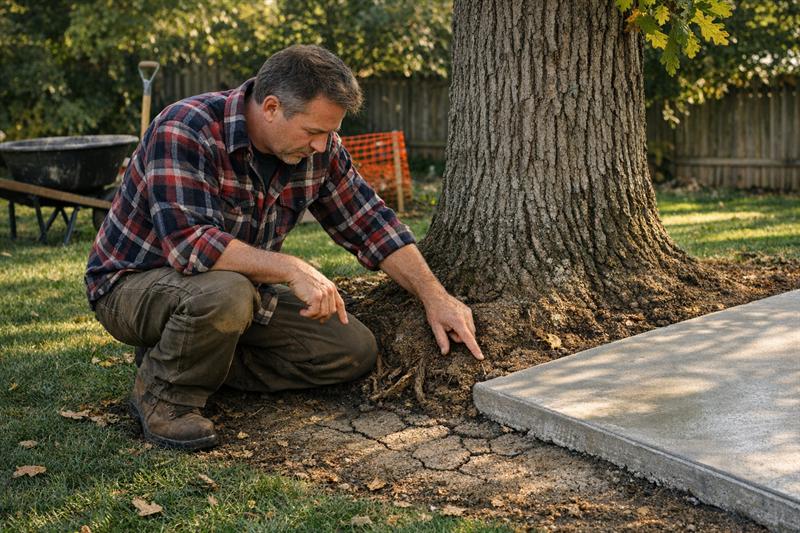
Cleanup works best when it follows a clear process. Start by removing large logs and branches, then clear out smaller debris like wood chips and leaves. From there, we address the stump and root area, then move into soil repair. This means loosening compacted ground, filling ruts, and getting the surface ready for grass to grow back.

The final step is grading and leveling. This is what helps with drainage and gives you a yard that actually feels finished instead of looking like a work site.

If your yard still feels incomplete after tree work, take a closer look at the full cleanup process and what may have been missed.

The Complete Guide to Yard Cleanup After Tree Service Read More »

How to Protect Your Trees During Storm Season

How to Protect Your Trees During Storm Season

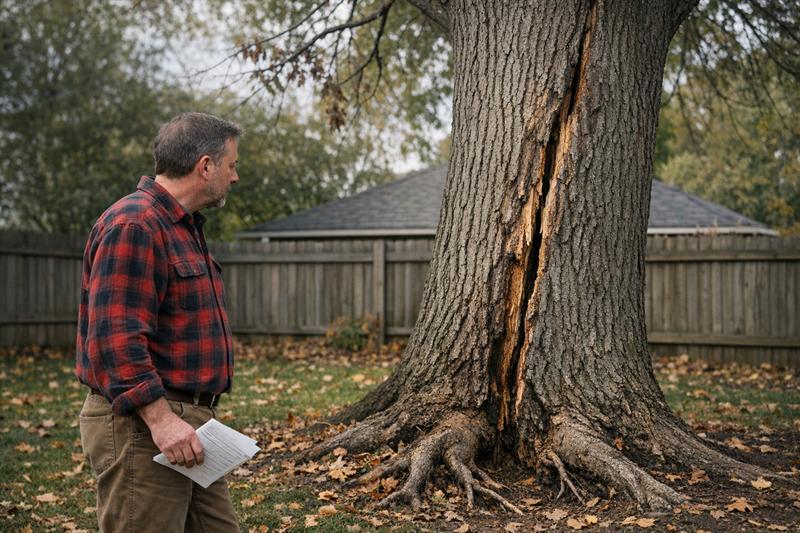
Most storm damage is not random. It usually comes from a few trees with structural issues or weak roots that were already there.

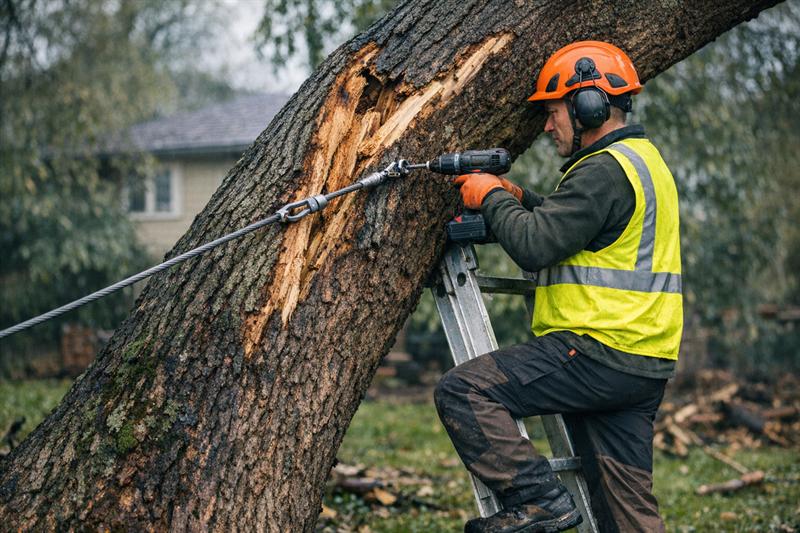
When we walk properties in Atlanta and Marietta, we focus on the trees that show early warning signs. Cracks in the trunk, dead or hanging limbs, or a tree starting to lean after rain all point to higher risk. Add saturated soil and wind pressure, and that is when trees start to shift, split, or uproot.

The best protection is doing the right work before the storm. Remove dead limbs first. Then prune to reduce wind resistance without over-cutting. Heavy, last-minute trimming can actually make a tree less stable, not more.

If you have a tree near your home, driveway, or power lines, it moves to the top of the list.

Read the full breakdown to see what to check before the next storm.

How to Protect Your Trees During Storm Season Read More »

Professional vs DIY Tree Service: How to Choose Safely and Avoid Costly Mistakes

Professional vs DIY Tree Service: How to Choose Safely and Avoid Costly Mistakes

Tree work looks simple until the cut starts. That’s usually when things shift, branches move, and control becomes the real issue.

Small jobs like trimming low branches or cleaning up debris can be manageable from the ground. But once you’re dealing with height, weight, or anything near your home, the risk goes up fast. A partially cut limb hanging over a roof or driveway is where DIY usually stops being safe.

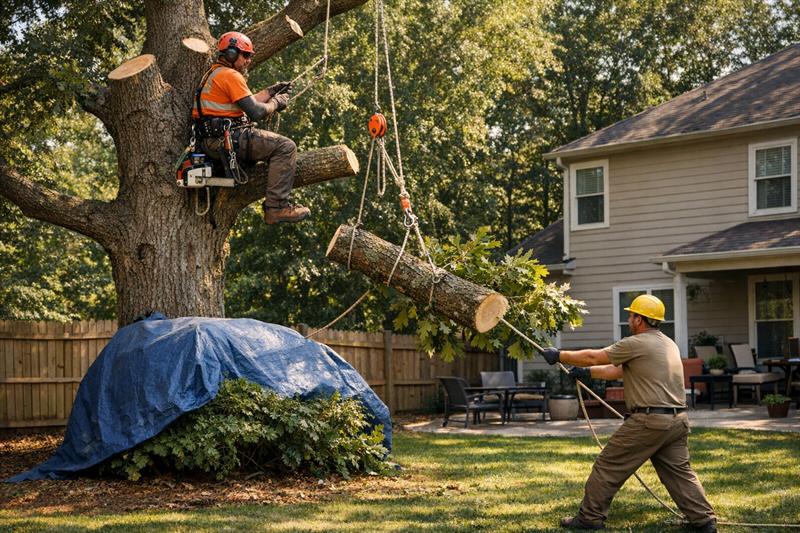
We handle tree removal step by step. We inspect the tree and the area, plan each cut, and use rigging to guide and lower sections safely. Everything is controlled from start to finish, including cleanup. That’s the difference between reacting to problems and preventing them.

If your tree is large, leaning, or close to your home, it’s time to take a closer look.

Read the full article to understand what makes the job safe and when to call in a professional.

Professional vs DIY Tree Service: How to Choose Safely and Avoid Costly Mistakes Read More »

How Weather in Atlanta Affects Tree Health Year-Round

How Weather in Atlanta Affects Tree Health Year-Round

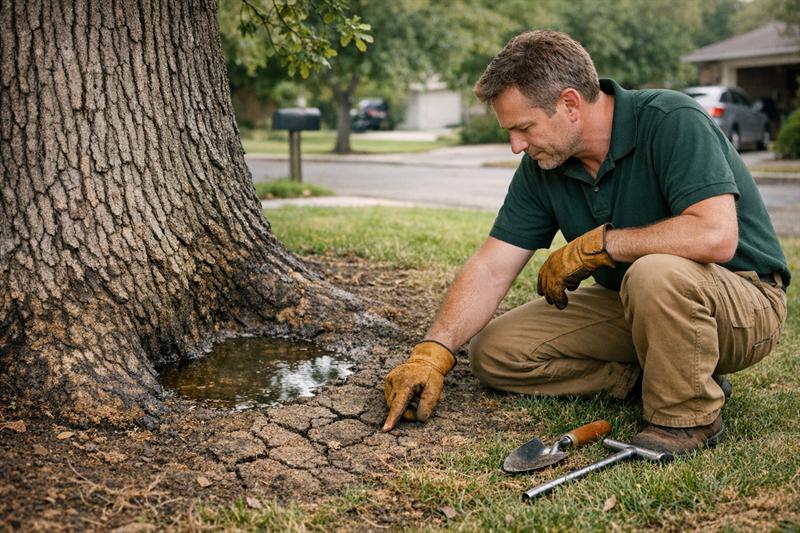
Weather in Atlanta does not hit trees all at once. It builds over time. Heat, rain, humidity, and cold snaps all stack stress on the roots, branches, and overall structure. Most tree problems we see are not from one storm. They come from season after season of strain.

In spring, fast growth and wet soil can lead to weak limbs and early disease. In summer, heat and dry ground slow the roots down, even if the tree still looks full. By fall, those issues start to show. Dead interior branches, uneven weight, and weak limbs become easier to spot and correct before storm season.

Winter adds pressure with wind and ice. That extra weight can push already stressed branches to crack or fail. If you are seeing leaning, dead limbs, or cracks forming, those are structural warning signs.

Read more to understand what to watch for and when to take action.

How Weather in Atlanta Affects Tree Health Year-Round Read More »

What Is Included in a Professional Tree Service Visit?

What Is Included in a Professional Tree Service Visit?

Most tree problems don’t start with obvious damage. They start small. A few off-color leaves, a patch of rough bark, or a couple of dead twigs. By the time the whole tree looks unhealthy, the issue has usually been there for a while.

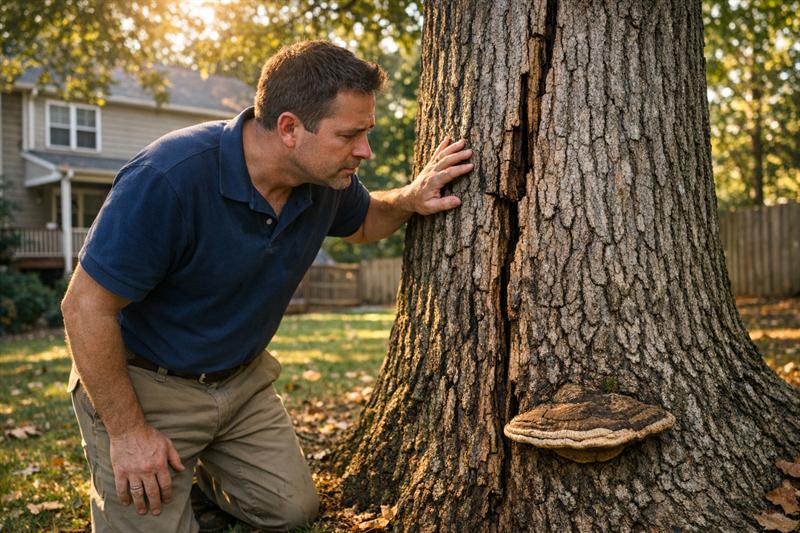
We tell homeowners to watch for patterns, not just one symptom. Leaf discoloration, bark cracks, fungus at the base, and small branch dieback showing up together usually means the problem is already progressing. That’s when a simple maintenance issue can turn into a safety concern.

Early action keeps things manageable. Wait too long, and you’re dealing with weak limbs, spreading disease, or even full removal instead of targeted trimming.

If something looks off, it’s worth taking a closer look. Read more to understand what to check and when to act.

What Is Included in a Professional Tree Service Visit? Read More »

Early Signs of Tree Disease: How to Spot Problems Before They Spread

Early Signs of Tree Disease: How to Spot Problems Before They Spread

Most tree problems don’t start with obvious damage. They show up as small changes that stick around or slowly spread. That’s usually your first warning something is off.

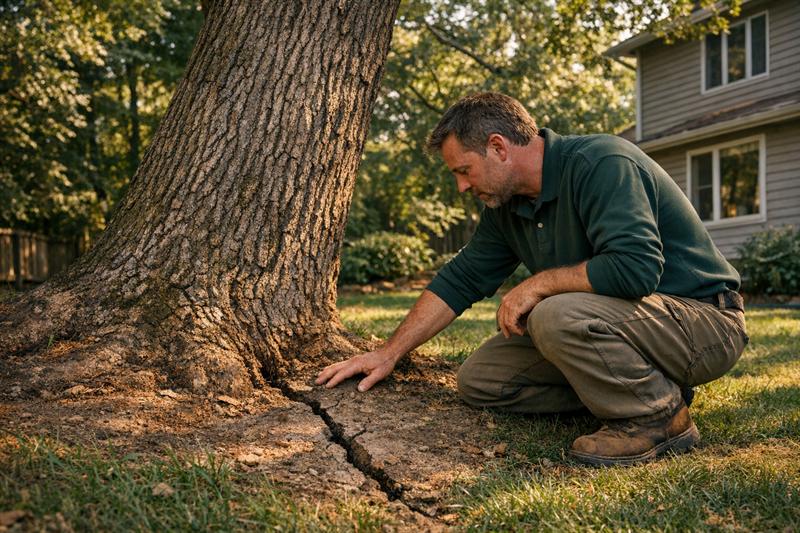
We tell homeowners to start with the canopy. Look for uneven color, smaller leaves, or sections thinning out. Then check the trunk and bark. Cracks, peeling, or soft spots can mean the tree’s protective layer is compromised. At the base, watch for гриб growth or shifting soil. That often points to deeper root or decay issues.

One symptom by itself might not mean much. But when you see discoloration, dead branches, and bark changes together, that’s when it’s time to act instead of wait.

If you’re noticing changes like these around your property in Marietta or Atlanta, take a closer look now before it turns into a bigger removal job.

Read more to see what to check and when to take action.

Early Signs of Tree Disease: How to Spot Problems Before They Spread Read More »

Tree Risk Assessment Checklist for Homeowners

Tree Risk Assessment Checklist for Homeowners

A tree usually doesn’t fail from one issue. It’s when cracks, lean, root problems, and canopy damage start showing up together that the risk goes up.

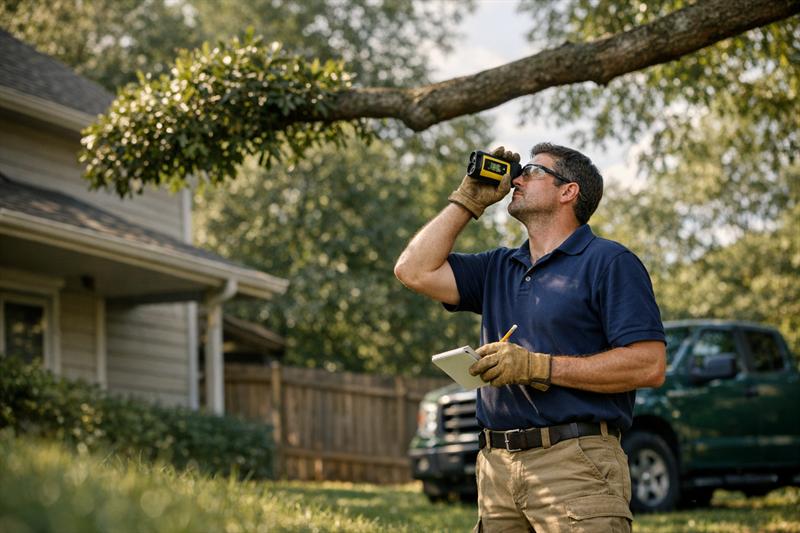
When we assess a tree, we don’t look at just one spot. We check the canopy for dead or hanging limbs, the trunk for cracks or decay, and the base for root movement or unstable soil. Then we look at what’s happening around it like recent storms, wet ground, or nearby construction. That full picture tells you a lot more than a quick glance.

One key thing to watch is change. A tree that suddenly leans, starts dropping large limbs, or shows soil lifting at the base needs attention. Multiple warning signs at the same time usually mean the structure is already weakening.

If you’re seeing more than one of these issues, it’s time to take a closer look. Read more to walk through the full checklist.

Tree Risk Assessment Checklist for Homeowners Read More »

How to Prepare Your Property for Tree Removal

Most tree removal problems don’t start with the cutting. They start with poor preparation. When the area isn’t clear or access is blocked, the job gets tighter, slower, and riskier.

Before we arrive, clear the work zone completely. Move vehicles, outdoor furniture, and anything near the tree. We need open drop zones for limbs and stable paths for equipment like bucket trucks and chippers. If gates are locked or access is tight, it can delay the job or change how we approach the removal.

It also helps to secure pets, let everyone in the home know what’s happening, and talk to neighbors if the tree sits near a property line. These small steps give the crew space and visibility to work safely and keep your property protected.

Want a full breakdown of how to get your property ready? Read the full guide.

How to Prepare Your Property for Tree Removal Read More »

Scroll to Top