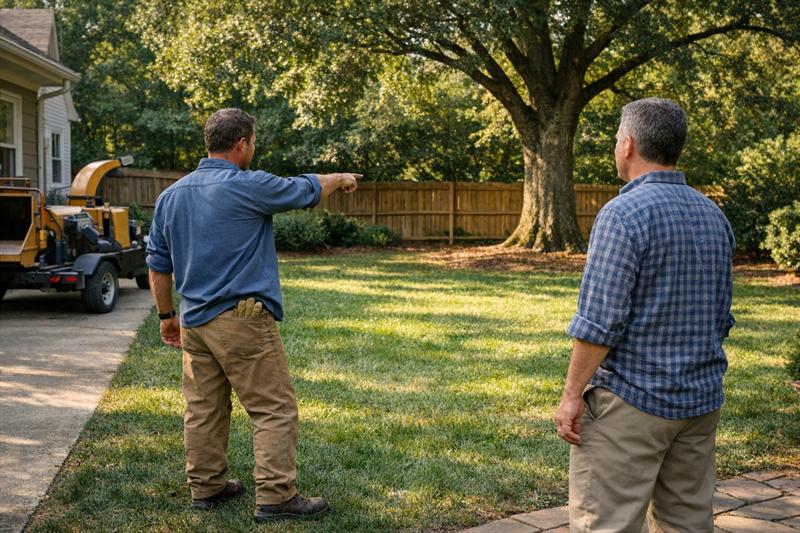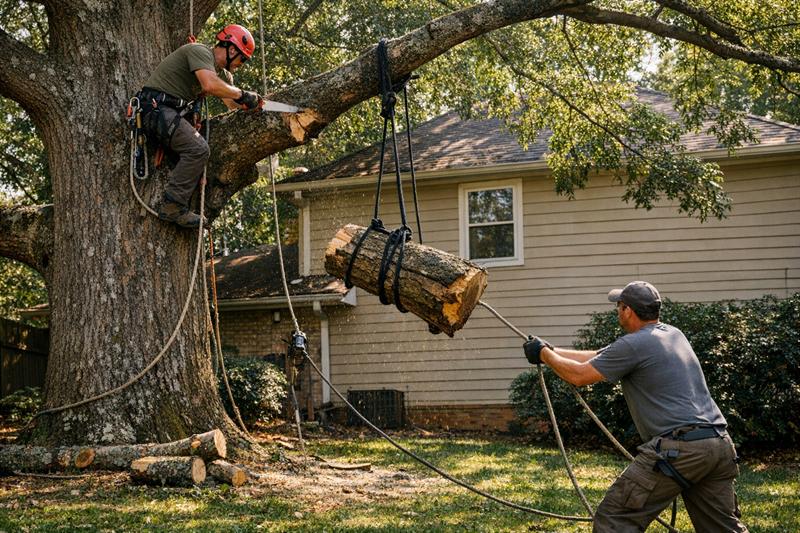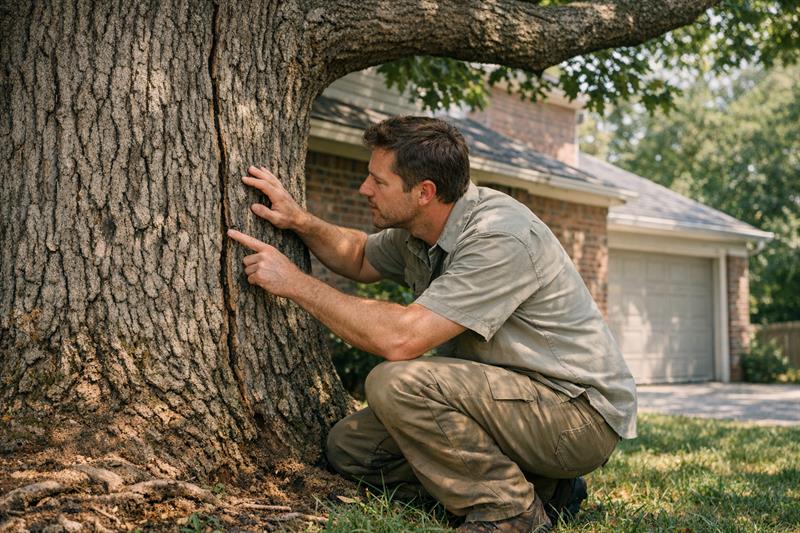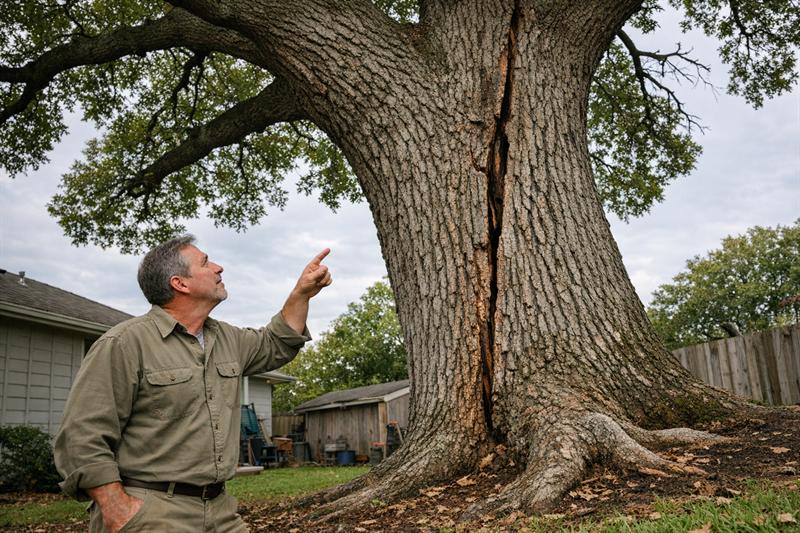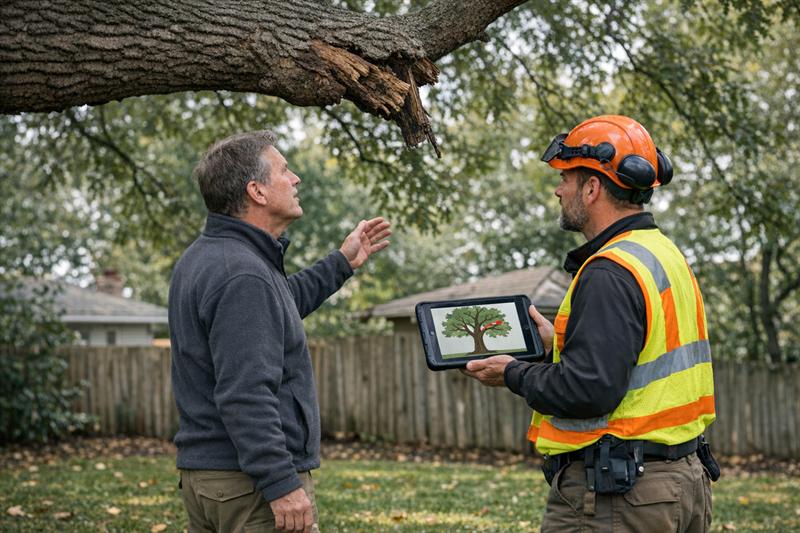
What Trees Fall in Storms? Key Risk Factors Homeowners Should Know

What Trees Fall in Storms? Key Risk Factors Homeowners Should Know

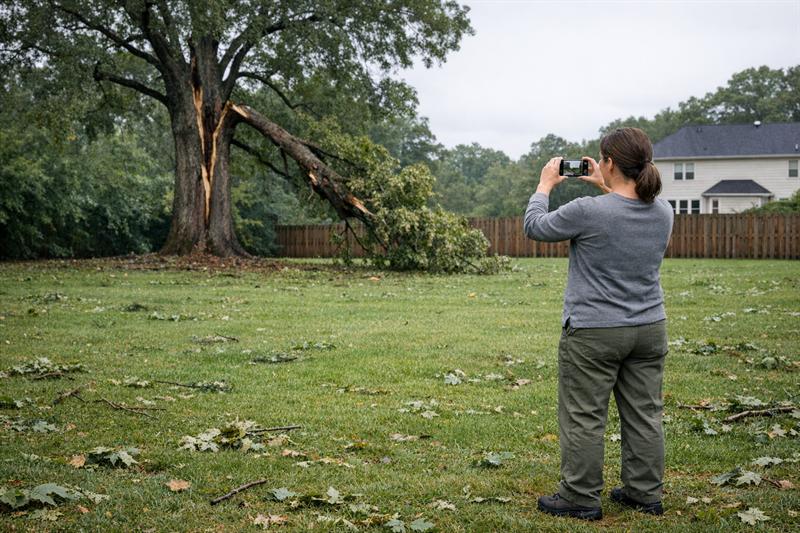
Trees don’t usually fall just because the wind picks up. In most cases, the real problem was already there—weak roots, saturated soil, or structural issues that built up over time. At One, Two, Tree, we see it often. The storm gets the blame, but the tree’s condition before the storm plays a bigger role.

The main risk factors we look at are root system health, soil condition, canopy balance, and tree species. Fast-growing trees like water oak or Bradford pear can develop weaker wood and become less stable as they get larger. When several of these factors overlap, the chance of failure goes up.

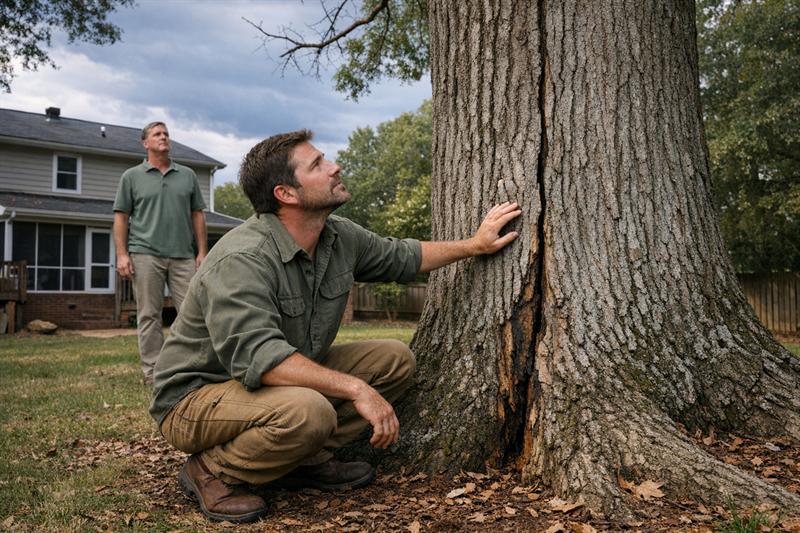
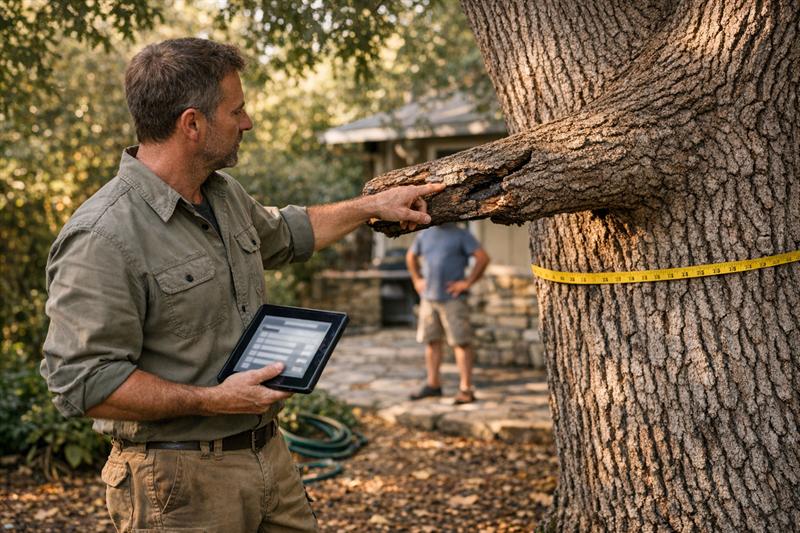
Visible warning signs like a sudden lean, cracks in the trunk, exposed roots, or dead branches usually mean risk is already elevated. Catching those early gives you options.

If you want to know whether a tree on your property is at risk, a professional assessment is a practical next step. Read the full article on our site.

What Trees Fall in Storms? Key Risk Factors Homeowners Should Know Read More »

How Construction and Landscaping Can Damage Nearby Trees

How Construction and Landscaping Can Damage Nearby Trees

Most tree damage from construction starts underground, not above. Roots get compacted, cut, or starved of oxygen during work—then the tree starts thinning or leaning months later.

Two of the most common problems are soil compaction from heavy equipment and root cutting during excavation. Both can weaken a tree’s stability long before you see any signs above ground.

If you’ve had driveway, patio, or utility work done near a tree and it’s not looking right, that’s worth a look before the situation gets worse.

Read the full article to see how these issues develop and what to watch for.

How Construction and Landscaping Can Damage Nearby Trees Read More »

Signs Your Tree Has Root Damage (Even If It Looks Healthy)

Signs Your Tree Has Root Damage (Even If It Looks Healthy)

A tree can look full and green while the support system below it is already weakening. Root damage develops out of sight, so obvious warning signs often show up later than the problem.

If you notice a new lean, thinning canopy, or soil cracking near the base, those can point to structural issues. Several signs together usually mean more than a cosmetic problem.

We see this often at One, Two, Tree. Instead of guessing, we look at how the tree is behaving — lean direction, soil condition, canopy balance, and proximity to your home. That gives us a clear picture of what’s happening and what should happen next.

If your tree is showing any of those signs, it’s worth having it checked before the situation gets worse. Call us to schedule an evaluation.

Signs Your Tree Has Root Damage (Even If It Looks Healthy) Read More »

How Tree Growth Affects Nearby Structures Over Time

How Tree Growth Affects Nearby Structures Over Time

Tree growth near your home doesn’t usually cause problems overnight. It’s a slow process that starts underground, where roots spread and shift soil long before you see cracks or uneven surfaces. Above ground, the canopy grows closer to your roof and gutters, adding moisture and debris over time.

The tricky part is that early signs are easy to miss—small foundation cracks, a driveway that’s slightly uneven, or drainage issues that keep coming back. By the time damage is visible, the tree has often been affecting your property for years.

We see this regularly. The best way to handle it is to spot those early signs and act before the work gets more involved. If you’re noticing any of these changes around your home, it’s worth taking a closer look.

How Tree Growth Affects Nearby Structures Over Time Read More »

When Tree Removal Is NOT the Right Solution

When Tree Removal Is NOT the Right Solution

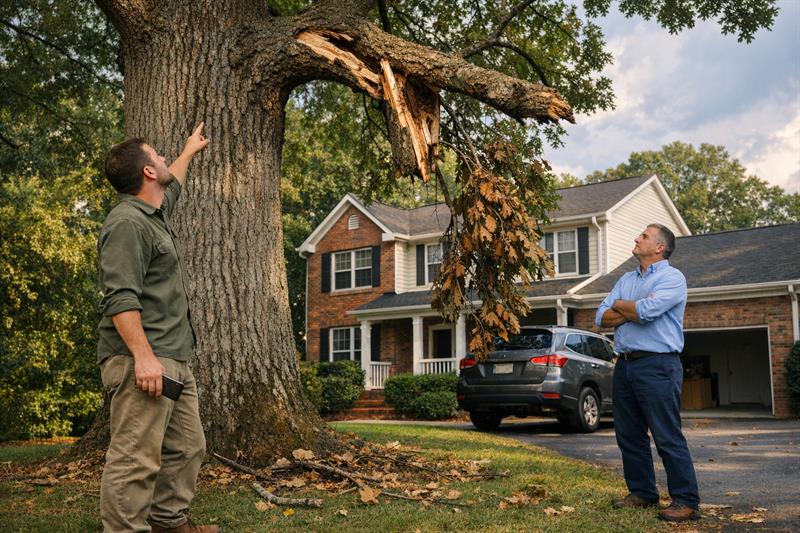
A tree starts leaning or drops a big limb after a storm. It is easy to assume removal is the only option. But in many cases, the tree is still structurally sound. The visible problem can be fixed without taking the whole tree down.

We see this a lot. Leaning trees that are stable, storm-damaged trees with solid trunks, or roots pushing up a sidewalk—these often respond to pruning, cabling, or root management. The key is evaluating structure, not just appearance.

Removing a tree that could have been saved costs more than it needs to. A proper assessment tells you what is actually happening and what makes sense next.

Read the full article to see specific situations where we save trees instead of removing them.

When Tree Removal Is NOT the Right Solution Read More »

How Soil Compaction Affects Tree Roots, Growth, and Stability

How Soil Compaction Affects Tree Roots, Growth, and Stability

Soil compaction is one of those problems you can’t see from the driveway, but it can cause real trouble below ground. When soil gets packed too tight, roots lose the air and water they need to grow and hold the tree steady. Over time, the tree starts to decline, and you might not notice until the canopy thins out or growth slows down.

Here’s the thing: compaction doesn’t happen overnight. It builds up from things like parking vehicles near trees, repeated foot traffic, or heavy equipment. Roots need room to spread, and when they can’t, stability suffers. Look for signs like hard, dry soil, water pooling after rain, or leaves looking smaller than usual.

If you’re seeing those signs, it’s worth having someone take a look. We work with homeowners in Marietta and Atlanta to spot root-zone issues early and figure out the best next step. Sometimes aeration helps. Sometimes removal is the safer call.

Read the full article on our website.

How Soil Compaction Affects Tree Roots, Growth, and Stability Read More »

Tree Canopy Management: Why Shape and Weight Distribution Matter

Tree Canopy Management: Why Shape and Weight Distribution Matter

Most tree problems don’t start with dead branches. They start with weight distribution.

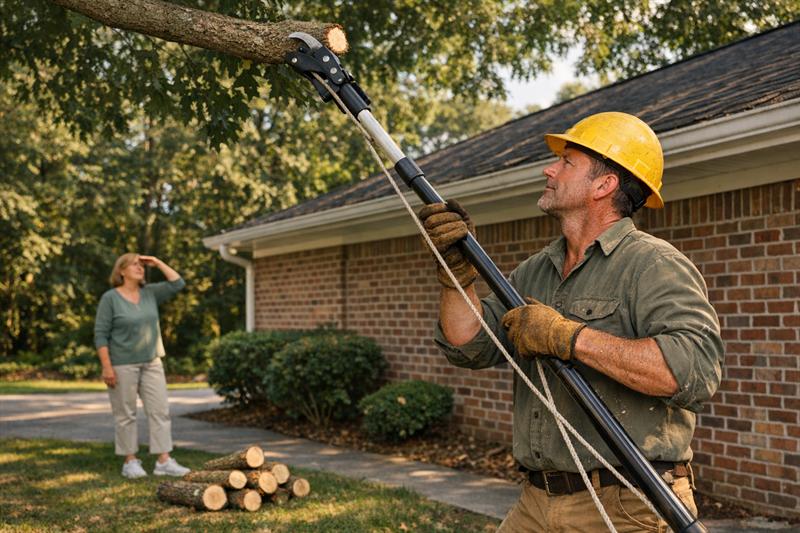
When limbs carry too much weight at the ends, that leverage puts stress on the attachment points. Over time, that stress can lead to failure—especially during storms. And regular trimming often misses it.

That’s where canopy management comes in. It’s not about how the tree looks. It’s about how weight is carried across the whole structure. We look at where the load is concentrated and correct it before the problem shows up in a more serious way.

If your tree has long limbs over your roof, a heavier side, or fast regrowth after last year’s trim, it may need more than a cleanup. Read the full article to see what we check.

Tree Canopy Management: Why Shape and Weight Distribution Matter Read More »

How Long Does It Take for a Tree to Become Dangerous?

How Long Does It Take for a Tree to Become Dangerous?

Tree decay doesn’t follow a set timeline. Some trees decline slowly over years. Others shift from looking fine to a real safety concern in a single season. That’s why waiting to act can make the situation harder to manage.

In Georgia, humidity and soil conditions speed up decay. Visible damage like cracks, leaning, or fungal growth often means internal weakness has already started. If you’re seeing multiple warning signs at once, it’s usually beyond simple monitoring.

We break down the four stages of decay and when removal becomes the safer option in our latest article. It’s a practical read for anyone with trees near their home.

Read the full article for more details.

How Long Does It Take for a Tree to Become Dangerous? Read More »

Why Is My Tree Leaning? Causes, Risks, and What to Do Next

Why Is My Tree Leaning? Causes, Risks, and What to Do Next

If your tree has started leaning, it’s often a sign that something below ground has changed. Recent movement matters more than the angle—a small lean that appeared after a storm can be more concerning than a larger lean that’s been stable for years.

After heavy rain in Atlanta and Marietta, saturated soil can loosen the roots. Cracked soil or exposed roots around the base are clear warning signs. That’s when the tree becomes less stable and could shift further.

If you notice any of these signs, don’t wait. We’ll come out and take a close look at the root system and soil condition. Read the full article to understand what’s really going on beneath the surface.

Why Is My Tree Leaning? Causes, Risks, and What to Do Next Read More »

How to Plan Tree Placement for Small Yards

How to Plan Tree Placement for Small Yards

Tree placement in a small yard usually goes wrong when trees are planted based on how they look today instead of how large they’ll grow. If you plan around mature size, nearby structures, and utilities from the start, you can avoid most long-term issues.

A few things to keep in mind: measure your available space before choosing a tree. Keep enough distance from your home, fence, driveway, and any underground lines. Roots spread wider than the canopy, so that margin matters more than you might think.

We see homeowners in Marietta and Atlanta dealing with trees that were planted too close to something. That usually leads to heavy pruning or removal later. Good placement at the beginning saves time and money.

Read the full article on our blog for a simple layout strategy that works in tight spaces.

How to Plan Tree Placement for Small Yards Read More »

Scroll to Top