
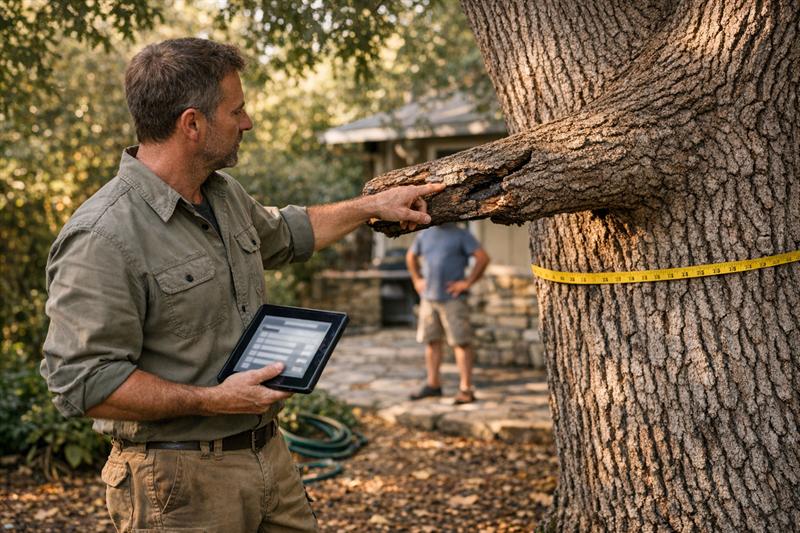
Quick Answer: Tree problems often start when routine care is delayed, leading to structural weakness, decline, and higher risk during storms. A clear, seasonal maintenance plan helps keep trees healthier, more stable, and less likely to become a safety concern.
Introduction
Most homeowners notice when something changes before they know what it means. A branch hangs lower than usual. Leaves start thinning. A tree begins leaning slightly toward the house. The challenge is not noticing these changes. It is knowing what to do next.
That is where problems often grow. Without a clear plan, small issues are easy to put off until they become more expensive or more hazardous. At One, Two, Tree, tree neglect is rarely intentional, but inconsistent maintenance is common.
A good maintenance plan is not about doing more work. It is about doing the right work at the right time, before problems build.
Why Tree Maintenance Matters More Than Most Homeowners Expect
Tree maintenance affects safety, not just appearance.
Many tree problems develop gradually rather than from one obvious event. A tree can look healthy from a distance while still developing structural weakness or signs of decline.
- Safety risks: Weak or extended limbs are more likely to break under stress
- Financial risks: Delayed care often leads to more complex and costly work later
- Long-term health impact: Disease, stress, and poor structure tend to worsen when left unaddressed
This becomes more serious when maintenance is purely reactive. By the time visible damage appears, the underlying issue may already be more advanced.
The Annual Tree Maintenance Plan (Season-by-Season)
Tree care works best as a cycle. Each season brings different growth patterns, stress factors, and maintenance priorities. Skipping one stage often creates problems in the next.
Spring: Inspection, Pruning, and Growth Preparation
Spring is when many issues become easier to spot. Winter damage, early signs of decline, and structural imbalances start to show.
This is a good time to remove dead or weakened branches and address early growth problems. If left alone, these issues can carry into the growing season and become harder to manage.
Summer: Monitoring Stress, Pests, and Watering
Summer brings heat stress and increased pest activity. Trees may still look full, but underlying stress can develop quickly.
Without regular monitoring, stress can weaken the tree and reduce its ability to handle storms, drought, or disease pressure.
Fall: Structural Pruning and Storm Preparation
Fall is a practical time to reduce risk. Removing weak limbs and improving canopy balance can help trees handle wind and heavy weather more effectively.
Overgrown or uneven trees are more vulnerable when storms arrive.
Understanding how to protect your trees during storm season can help you prepare before conditions worsen.
Winter: Dormant Care and Structural Review
Winter makes tree structure easier to evaluate. Without leaves, it is easier to see how the tree is growing and where weak attachments, crossing limbs, or imbalance may be developing.
This is often a practical time for larger pruning decisions. If structural issues are missed here, they can carry into spring and become more difficult to correct.
How to Inspect Your Trees for Early Warning Signs
Routine inspection is one of the most effective ways to catch problems early. It is also one of the most commonly skipped parts of tree care.
Structural Issues
Look for cracks, leaning, split limbs, or branches with heavy end weight. These are potential signs of instability, not just cosmetic concerns.
If a tree appears to be shifting or growing unevenly, it may be more likely to fail under pressure. More detail is covered in how to tell if a tree is structurally weak.
Disease and Pest Indicators
Discoloration, early leaf drop, dieback, or visible bark and leaf damage can point to disease or pest activity.
These issues can spread or worsen if they are not addressed, especially during warmer months when activity increases.
Root and Soil Problems
Root issues are easy to miss because they develop below the surface. Signs like soil heaving, exposed roots, poor drainage, or fungal growth near the base can point to underlying instability or stress.
Some of the more serious tree problems begin at the root level. Learn more in signs your tree has root damage.
Tree Maintenance Tasks Homeowners Can Handle
Some routine maintenance tasks are reasonable for homeowners to handle when done carefully and within safe limits.
- Light pruning of small, reachable branches
- Mulching to help retain soil moisture and protect roots
- Watering during extended dry periods
- Basic visual inspections
Problems often begin when the work goes beyond that level. Larger cuts, heavier limbs, and work at height increase both safety risk and the chance of improper pruning.
When to Call a Professional Tree Service
There is a clear point where tree maintenance becomes higher risk and requires the right experience and equipment.
That is where mistakes can compound. Incorrect cuts or missed structural concerns may lead to more extensive damage over time.
- Large tree pruning or canopy balancing
- Trees near structures or power lines
- Storm-damaged or partially fallen trees
- Full tree removal
If you are unsure, that is usually the point to bring in a professional. For a closer comparison, see professional vs DIY tree service.
How Proper Maintenance Prevents Property Damage
Property damage is often linked to trees that have gone too long without pruning, inspection, or structural care.
A common issue is limbs extending too far toward roofs, driveways, or utility areas. As weight increases, balance can shift and stress points become more pronounced.
This raises the chance of branch failure during storms or other periods of stress. Managing structure early through pruning and canopy management can help reduce that risk.
Building a Long-Term Tree Care Plan
Tree care works best when it is consistent. One-time fixes rarely address the full picture.
Ongoing inspection, seasonal adjustments, and attention to changes over time help keep trees healthier and more stable.
Following a structured plan like this seasonal tree care calendar for Atlanta homeowners can make maintenance more predictable and easier to manage.
Key Takeaways
- Tree maintenance is an ongoing process, not a one-time task
- Most major tree issues start small and develop over time
- Seasonal timing plays an important role in effective care
- DIY work should stay within safe limits
- Early action can reduce risk and long-term cost
Conclusion
Tree problems usually build over time through missed maintenance and delayed decisions. What starts as a minor issue can turn into structural failure, storm damage, or costly corrective work if it is left alone.
Small warning signs are easy to overlook, especially when the tree still appears mostly healthy. By the time the risk is obvious, the solution is often more involved.
At One, Two, Tree, the focus is on identifying issues early and helping homeowners understand what needs attention now and what should be planned next.
If your trees are showing signs of imbalance, overgrowth, or stress, a professional evaluation can help you decide on the next step before the problem becomes more difficult to manage.
Frequently Asked Questions
How often should trees be maintained?
Trees should be checked throughout the year, with maintenance adjusted by season. Different stages of growth call for different care. Regular inspections help catch issues before they become larger problems.
What is the best time of year to trim trees?
Late fall through winter is often a practical time for larger pruning because the tree’s structure is easier to see. Smaller trimming may be done at other times, depending on the tree and the goal of the work.
What are signs that a tree is dangerous?
Leaning, cracked limbs, dead branches, and root instability are common warning signs. These can indicate reduced stability. When they appear, a closer evaluation is usually needed.
Can I maintain my trees myself?
Basic care like watering, mulching, and small pruning is often manageable. Larger or higher work carries more risk and usually requires more experience and equipment.
How do I prepare trees for storm season?
Removing weak branches and improving canopy balance can help reduce storm stress. Trees with uneven weight distribution are generally more vulnerable, so preventative care supports better stability.
What happens if trees are not maintained?
Without maintenance, trees may develop structural issues, decline, and instability over time. These problems can progress until branch failure or other visible damage occurs. Ongoing care helps lower that risk.